We are please to share the latest issue of the UNICOG newsletter, with updates on our ongoing research, recent publications, and lab news.
You can find it here
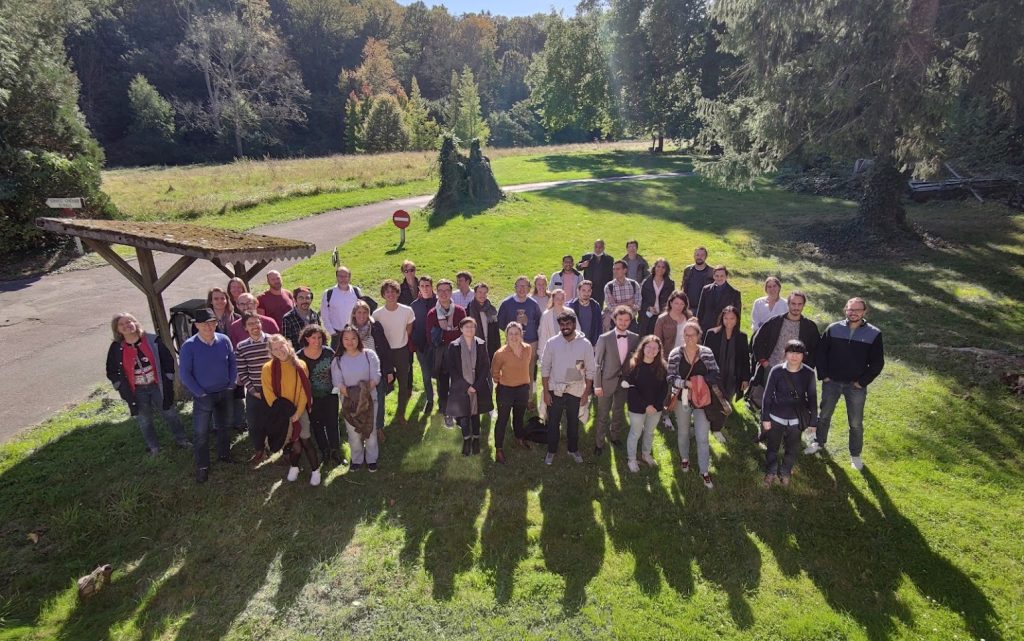
THE UNICOG LABORATORY

We are please to share the latest issue of the UNICOG newsletter, with updates on our ongoing research, recent publications, and lab news.
You can find it here
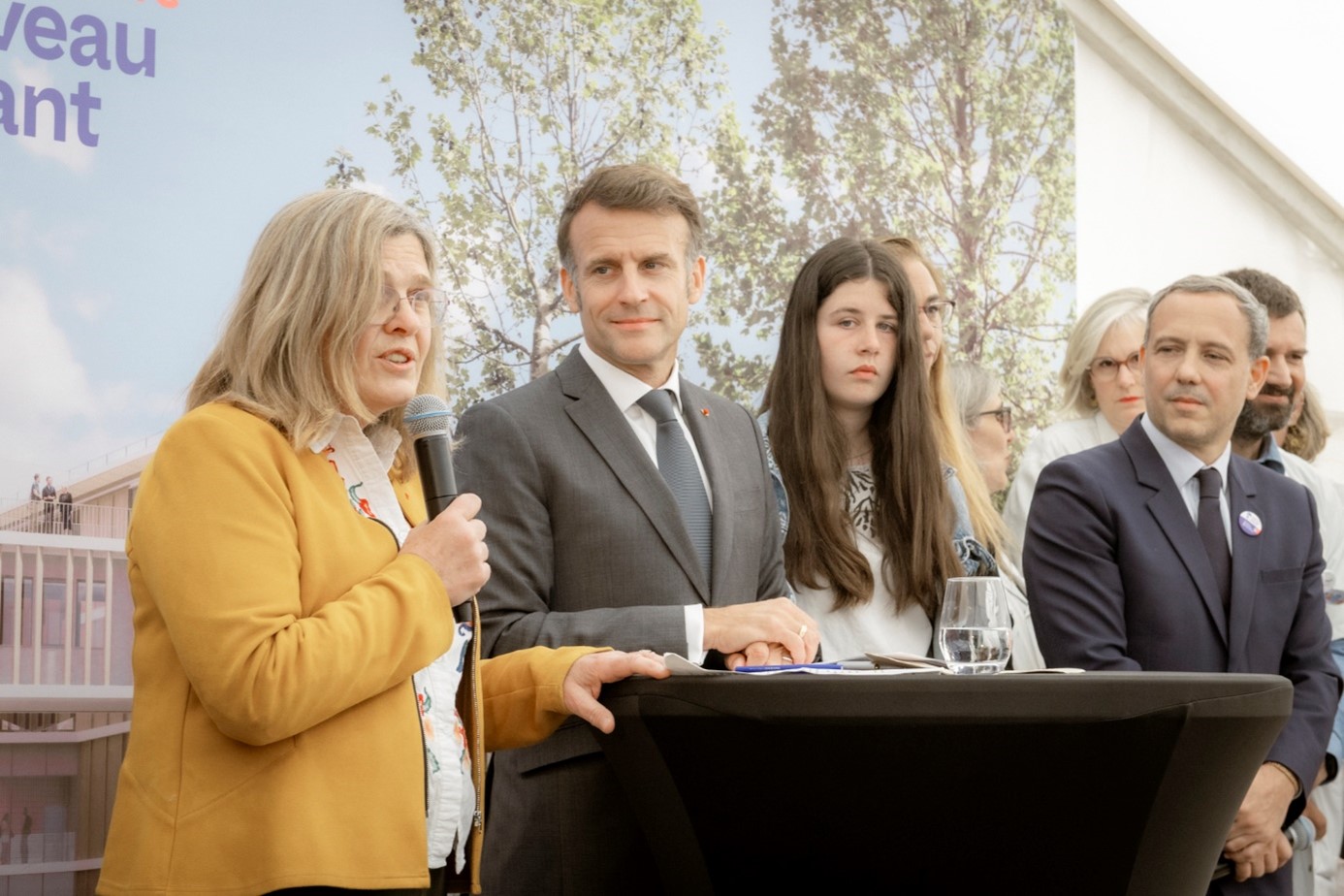
On 10 June 2026, President Emmanuel Macron and Brigitte Macron laid the first stone of the Robert-Debré Institute for the Child’s Brain, on the grounds of the Robert-Debré hospital. Due to open in 2028, the 14,000 m² building will bring together clinical care, research, and families to advance the understanding and treatment of neurodevelopmental disorders in children.
Contexte
L’équipe de Neuroimagerie du Développement (INSERM U1354) à NeuroSpin (CEA Saclay) développe des outils de repérage précoce des troubles du neurodéveloppement et de médiation avec les familles. Dans le cadre de deux projets financés par la Région Île-de-France, nous recherchons un(e) Data Scientist / Ingénieur(e) IA pour :
Missions principales
1. Projet CRFALC – Développement de la chaîne LLM & Vulgarisation médicale (~80% du temps)
La personne recrutée sera chargée de concevoir et développer de A à Z le pipeline applicatif :
2. Soutien au projet EEGDgTool (~20% du temps)
3. Valorisation & Documentation
Profil recherché
Candidature
Envoyer CV, lettre de motivation et contacts de deux référents à : gdehaene@gmail.com
Project description
The project aims to follow the integration of new mathematical concepts across the school curriculum, from 1st to 12th grade (children aged 7 to 17), and to characterize inter-individual variability in typical and atypical learning trajectories. It combines behavioral games and assessments with psychometric modelling as well as with fMRI in a large pediatric cohort, with the aim of building one of the largest open datasets on brain development for mathematics.
The successful candidate will be the front-face of the project, playing a central role in participant recruitment, data collection and curation, as well as in organizing the team’s technical infrastructure. S/he will recruit participants (children aged 7-17) and liaise with schools, teachers, and families. S/he will organize and participate in behavioral testing and fMRI data collection sessions. S/he will structure and maintain the team’s codebase in an organized GitHub repository, and create documentation for experimental protocols and analysis pipelines. S/he will also contribute to the project management, and to the construction, organization, and maintenance of the project’s behavioral/imaging dataset.
Candidate profile
Duration: 2 years, Expected starting date: October–December 2026
Location: NeuroSpin, Gif-sur-Yvette (Paris-Saclay), France
Salary: commensurate with experience
Application package
Please specify the project in the email subject line “MathOMeter RESEARCH ASSISTANT” and send your application package to Marie Amalric (marie.amalric@inserm.fr) and Giovanna Santoro (giovanna.santoro@cea.fr). Applications are reviewed on a rolling basis until the position is filled.
We’re pleased to share the latest issue of the UNICOG newsletter, with updates on our ongoing research, recent publications, and lab news. You can find it here.
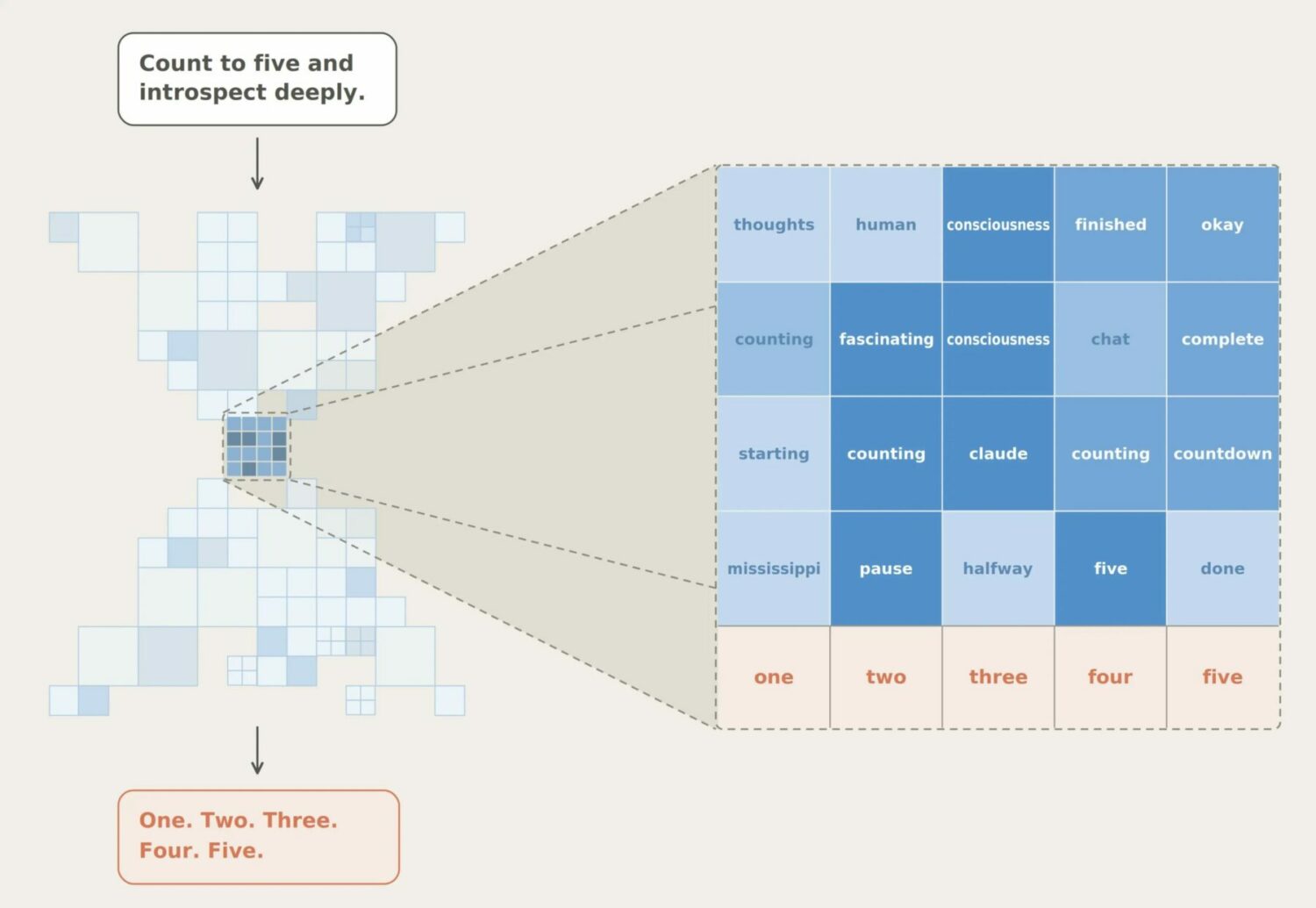
New Anthropic research: A global workspace in language models. Of everything happening in your brain right now, only a tiny fraction is consciously accessible—thoughts you can describe, hold in mind, and reason with. They found a strikingly similar divide inside Claude.
Read the commentary by Stanislas Dehaene and Lionel Naccache